

Understanding Purpura-Like Discoloration and Supporting Fragile-Looking Skin
Purpura is often used to describe purple or red-brown discoloration that can look like spots or patches on the skin. This guide focuses on what it can look like, common contributing factors, and cosmetic ways to support a healthier-looking, more even-toned appearance.
Quick summary
- Purpura-like discoloration can appear as purple, red, or brown spots that may be more noticeable on fragile-looking skin.
- Sun exposure, aging-related skin changes, and everyday bumps can make discoloration look more visible.
- Cosmetic routines can support comfort, hydration, and the look of more even tone.
If discoloration is new, spreading, painful, or concerning, consult a healthcare professional.
Understanding purpura and skin discoloration
What is purpura?
Purpura often refers to visible purple, red, or brown discoloration that can look like spots or patches. Some people notice that these areas do not fade when pressed. Because discoloration can have many causes, a healthcare professional is the right resource for diagnosis or medical questions.
Common categories and factors
-
Age-related skin changes
Skin can look thinner and more delicate over time, which may make discoloration appear more noticeable.
-
Sun-exposed skin
Long-term sun exposure can influence how resilient skin looks, especially on the arms and hands.
-
Environmental and physical factors
Everyday bumps, friction, or pressure can make visible discoloration more noticeable on fragile-looking skin.
Supporting fragile-looking skin
If purpura-like discoloration is persistent or concerning, consider speaking with a healthcare professional. For cosmetic goals, many people look for routines that support hydration, comfort, and the look of healthier-looking skin.
At Skintensive, we formulate gentle skincare designed for delicate, sun-exposed, and mature-looking skin.
Skintensive product highlights
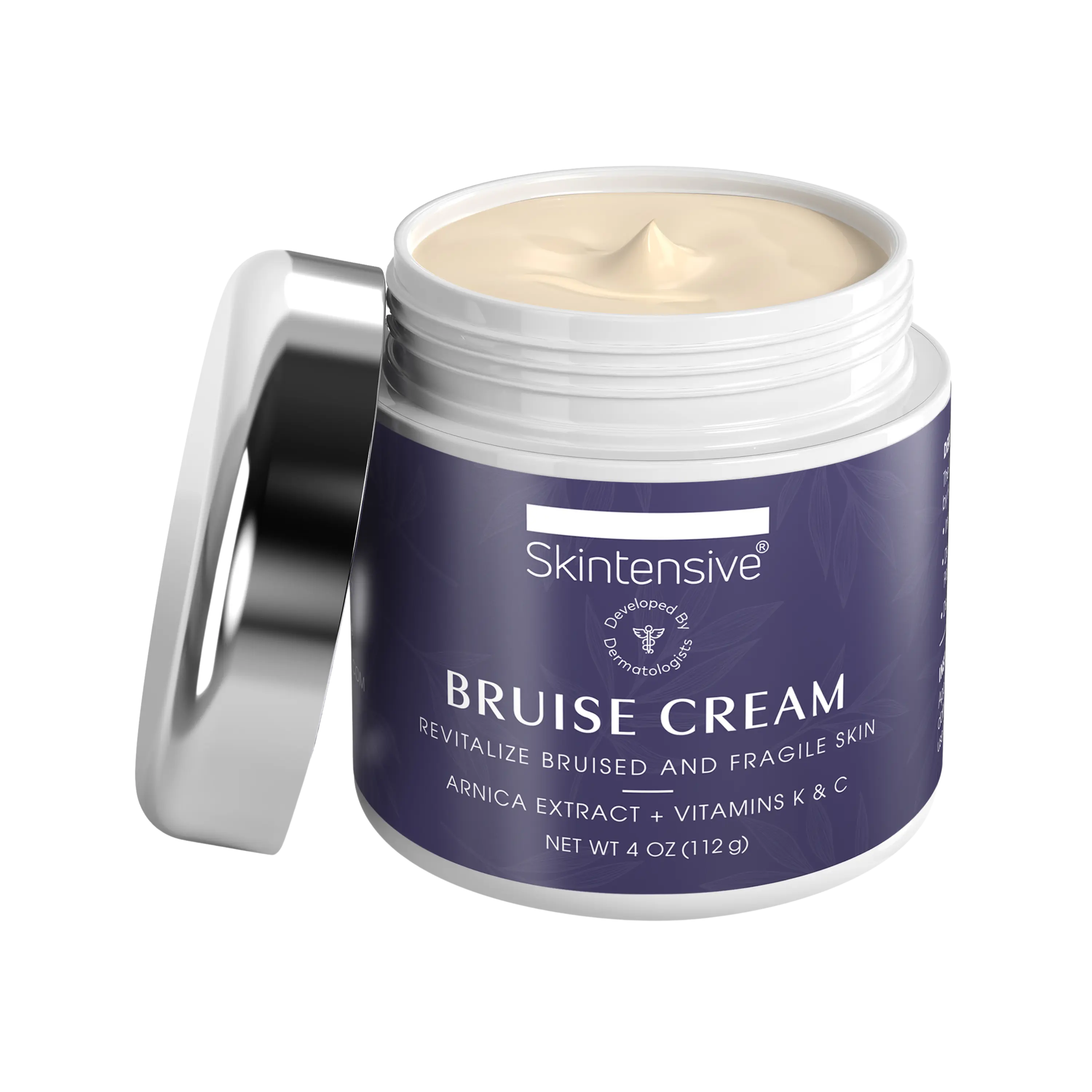
Bruise Cream
A rich, fragrance-free moisturizer designed for skin that looks easily marked. Many people use it to support the look of temporary discoloration and help skin feel comfortable and nourished.
If you have questions about bruising or discoloration, especially with medications or health conditions, consult a healthcare professional.
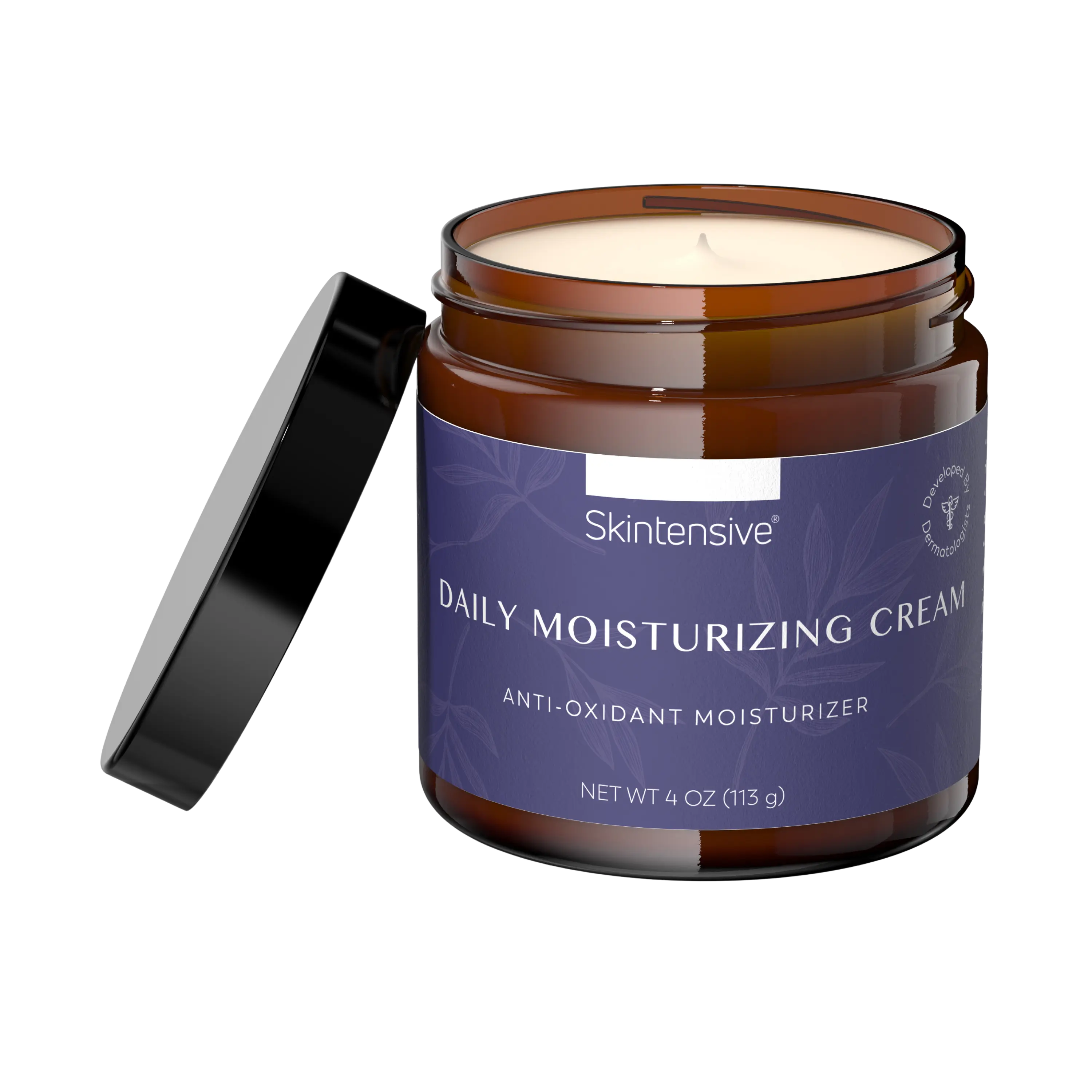
Daily Moisturizing Cream
Designed to support the everyday needs of fragile-looking, mature-looking skin. This lightweight moisturizer helps hydrate and soften the feel of skin and supports a smoother-looking texture.
Vitamin C + AHA Morning Ritual AM Cream
A daytime formula created to support the look of brighter, more even tone while helping skin feel hydrated. Many people choose it for routines focused on smooth-looking texture and a refreshed-looking finish.
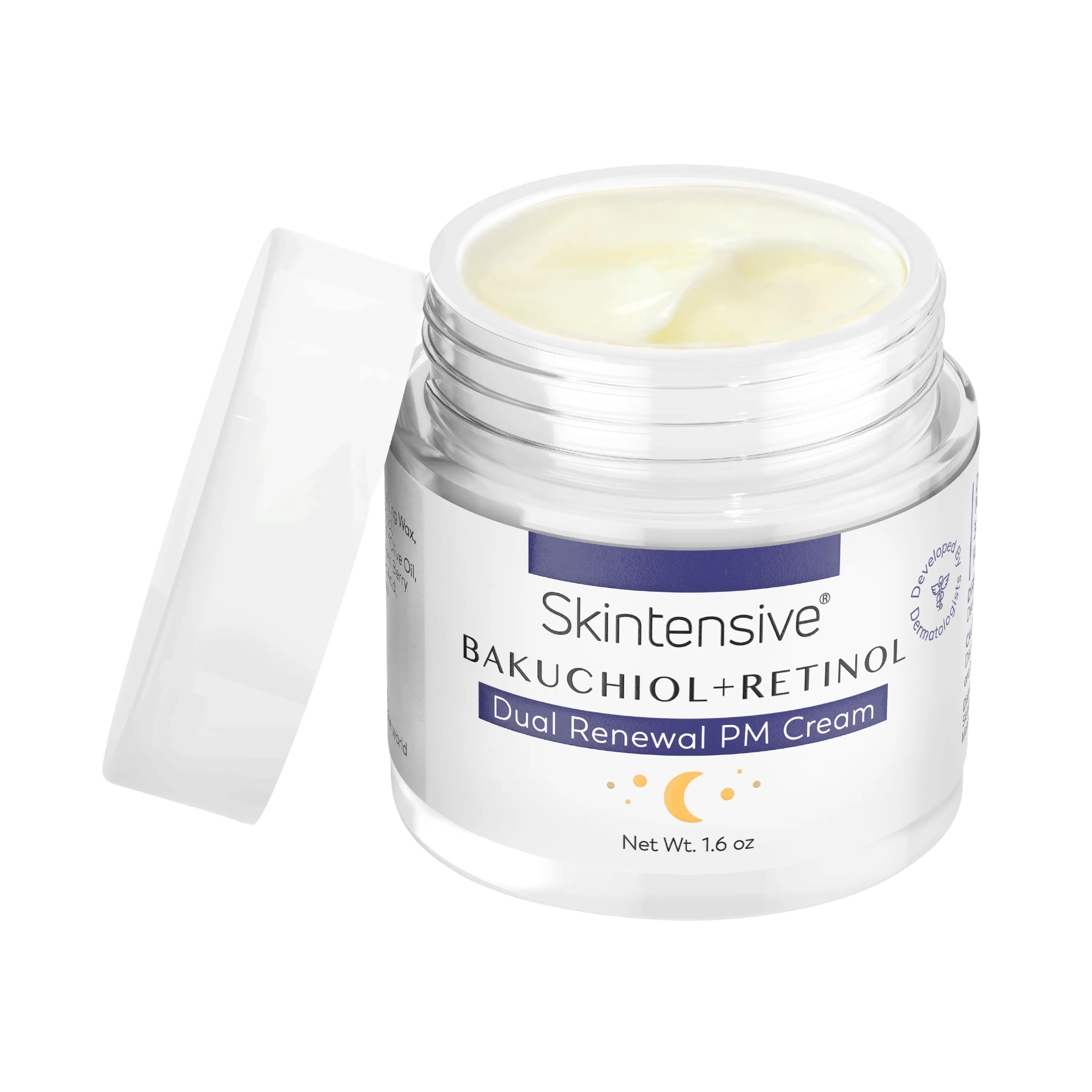
Bakuchiol + Retinol Dual Renewal PM Cream
A night cream formulated for routines focused on the look of smoother texture and more even tone over time. Start slowly if your skin is sensitive and follow label directions.
Gentle ways to care for mature-looking skin
-
Use SPF
Daily sunscreen supports healthy-looking skin and helps reduce the look of visible sun-related changes over time.
-
Hydrate and moisturize
Consistent moisturization helps skin feel supple and can support a smoother-looking surface.
-
Minimize friction
Gentle clothing choices and mindful routines can help reduce rubbing or pressure on delicate-looking areas.
Related reading: What to know about solar, actinic, and senile purpura
Interactive ingredient glossary
Search and tap terms for cosmetic-friendly definitions.
Arnica montana
A botanical ingredient used in topical cosmetic products that are positioned to support the look of more even-toned, healthy-looking skin.
Vitamin K
Commonly included in cosmetics focused on the appearance of uneven tone and the look of balanced-looking skin.
Vitamin C
An antioxidant used in skincare to support a brighter-looking complexion and the look of more even tone.
Antioxidants
Ingredients often used to support healthy-looking skin and help maintain a fresh-looking appearance when skin is exposed to everyday environmental stressors.
Ceramides
Lipids commonly used in moisturizers to support a comfortable feel and help skin look smoother through hydration.
Frequently asked questions
What can I do to improve the appearance of aging skin?
Gentle hydration, antioxidant support, and sun protection can help skin look its best over time.
Is purpura a medical issue?
It can be. If purpura-like discoloration appears suddenly, spreads, or comes with other symptoms, consult a healthcare professional.
How can I support the appearance of skin prone to visible discoloration?
Look for cosmetic products with nourishing ingredients such as antioxidants, hydrating agents, and ingredients commonly used for the appearance of more even tone.
Are Skintensive products appropriate for daily use?
Skintensive products are designed for everyday cosmetic use and are formulated to be gentle on mature-looking, sensitive, or sun-exposed skin.
Can moisturizing reduce the visibility of skin spots?
Moisturizers do not treat medical conditions. Consistent hydration can improve the look and feel of skin, which may make visible spots look less prominent.
What ingredients should I look for in skincare for mature-looking or sun-exposed skin?
Many people choose ingredients such as vitamin C, antioxidants, ceramides, and botanical oils to support the look of healthier-looking skin. Product choice depends on your skin type and preferences.
Does Skintensive recommend using sunscreen with its products?
Yes. We recommend using a broad-spectrum SPF daily as part of a routine focused on maintaining healthy-looking skin.
Can Skintensive products be used on hands and arms?
Many users apply skincare to forearms, hands, and other sun-exposed areas to support comfort and appearance.