
Should I Incorporate Arnica Into My Anti-Aging Skincare Routine?
Last updated:
Quick take
Best for
- Skin that looks easily stressed by dry weather or overuse of strong actives
- Supporting a more even-looking, comfortable-looking complexion
- Pairing with moisturizers in an appearance-focused routine
How to use
- Patch test first, especially if you have sensitive skin
- Use on intact skin and follow with moisturizer
- If you use exfoliating acids or retinoids, alternate with hydration-focused nights
How skin changes over time
When choosing ingredients for an anti-aging routine, it helps to understand the visible changes that can happen as skin matures. Environmental stressors like UV exposure, dry air, and pollution can contribute to skin that looks less bouncy and more dull over time. Many people also notice the look of fine lines, more noticeable pores, and a drier, less comfortable feel.
Another common shift is that skin can feel more reactive as it gets drier. This can be amplified when strong actives are overused or layered too frequently. A balanced routine often includes supportive hydration and gentle, appearance-focused products that help skin feel comfortable.
Why arnica is discussed in skincare
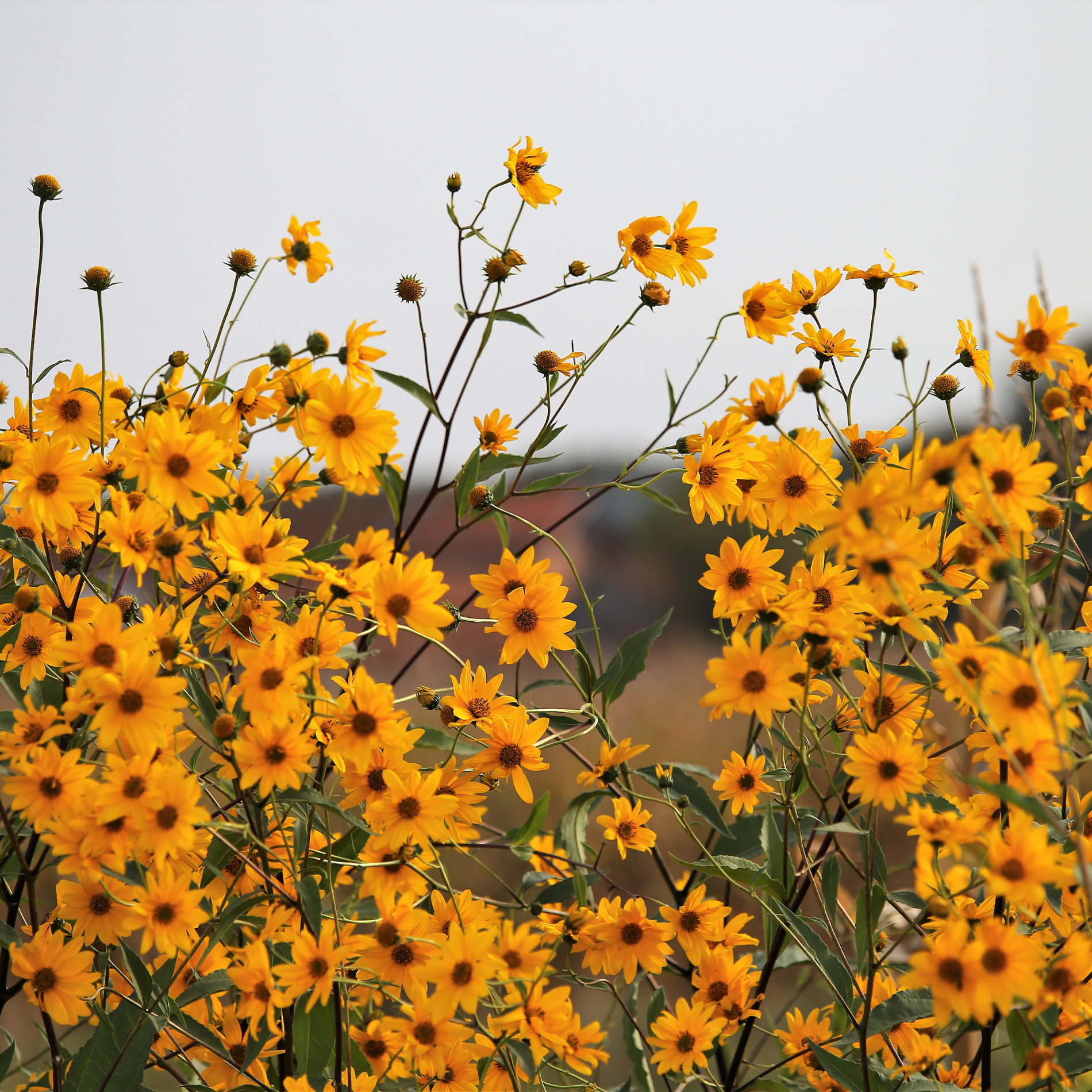
Arnica montana is a botanical ingredient you will often see in topical skincare formulas. In cosmetic contexts, it is commonly included in products designed to support the look of calm, refreshed, healthy-looking skin.
If you are exploring arnica, start with gentle, barrier-supportive formulas and use consistent moisturization to help skin look smoother and feel more resilient. You can browse arnica-based options here: Skintensive Arnica Collection.
Cosmetic-friendly benefits to look for
-
Helps lessen the look of temporary redness
Look for language that focuses on the appearance of temporary redness and the look of a more even complexion.
-
Supports a comfortable-looking, refreshed complexion
Many people prefer arnica in formulas that leave skin feeling soothed and looking well-rested.
-
Helps defend against environmental stressors
Some botanical blends are used to support a brighter-looking glow and help skin look less dull after exposure to outdoor elements.
-
Improves the look of uneven tone and discoloration
When your goal is a more even-looking tone, prioritize consistent moisturization and gentle routines that support healthy-looking skin.
Want more context on why arnica is showing up in beauty routines? Read: Why Arnica Is Trending as a Beauty Ingredient.
How to pair arnica with other actives
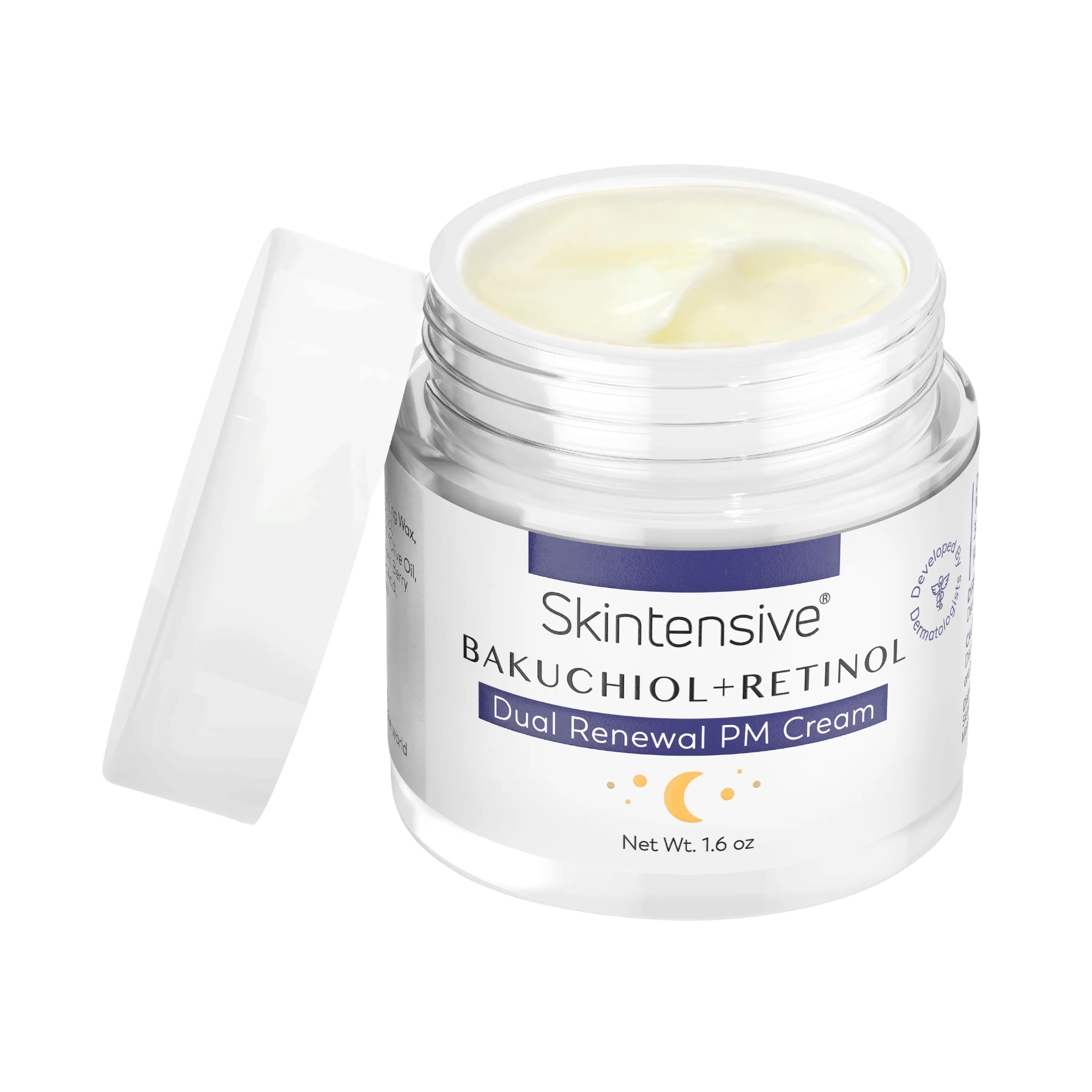
Many routines combine hydration with actives that support the look of smoother texture and more even tone. If you use ingredients like vitamin C, retinoid alternatives, or exfoliating acids, a simple strategy is to keep the routine comfortable: alternate active nights with rich moisturization, and reduce layering when skin feels tight or looks stressed.
Tip for sensitive-looking skin
If you are introducing multiple actives, add only one new product at a time and patch test first. Consistency with moisturizer often makes the biggest visible difference for comfort and glow.
Explore vitamin C options here: Skintensive Vitamin C Collection.
Product picks from Skintensive
Below are two options often chosen when the goal is hydrated, comfortable-looking skin and a smoother-looking finish. Choose based on texture preference and where you want extra moisture support.
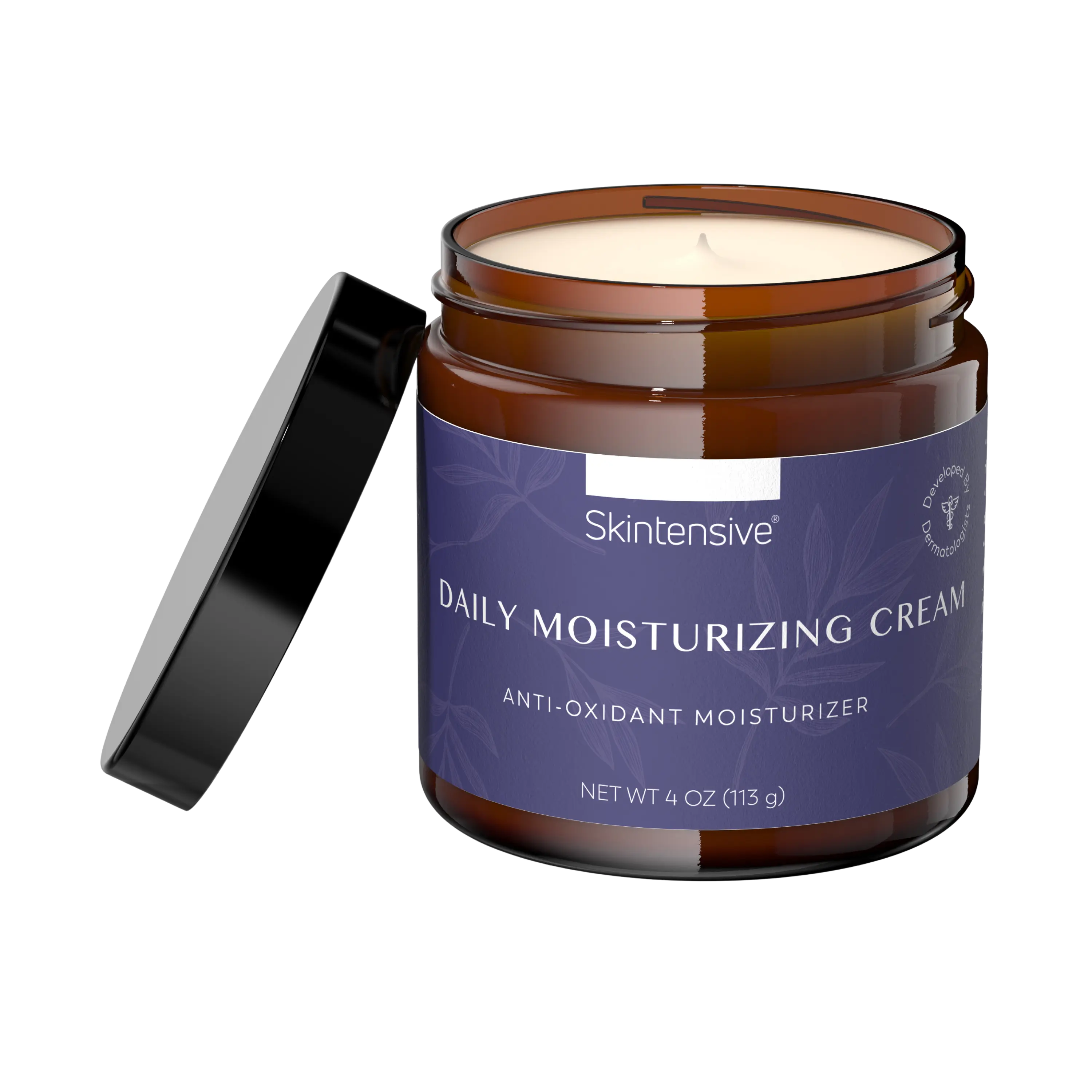
Skintensive Daily Moisturizing Cream

A daily moisturizer designed to hydrate and support a soft, smooth feel. Formulated with skin-nourishing ingredients including coconut oil, arnica montana extract, vitamin C, and retinyl palmitate to help skin feel more comfortable and look more resilient.
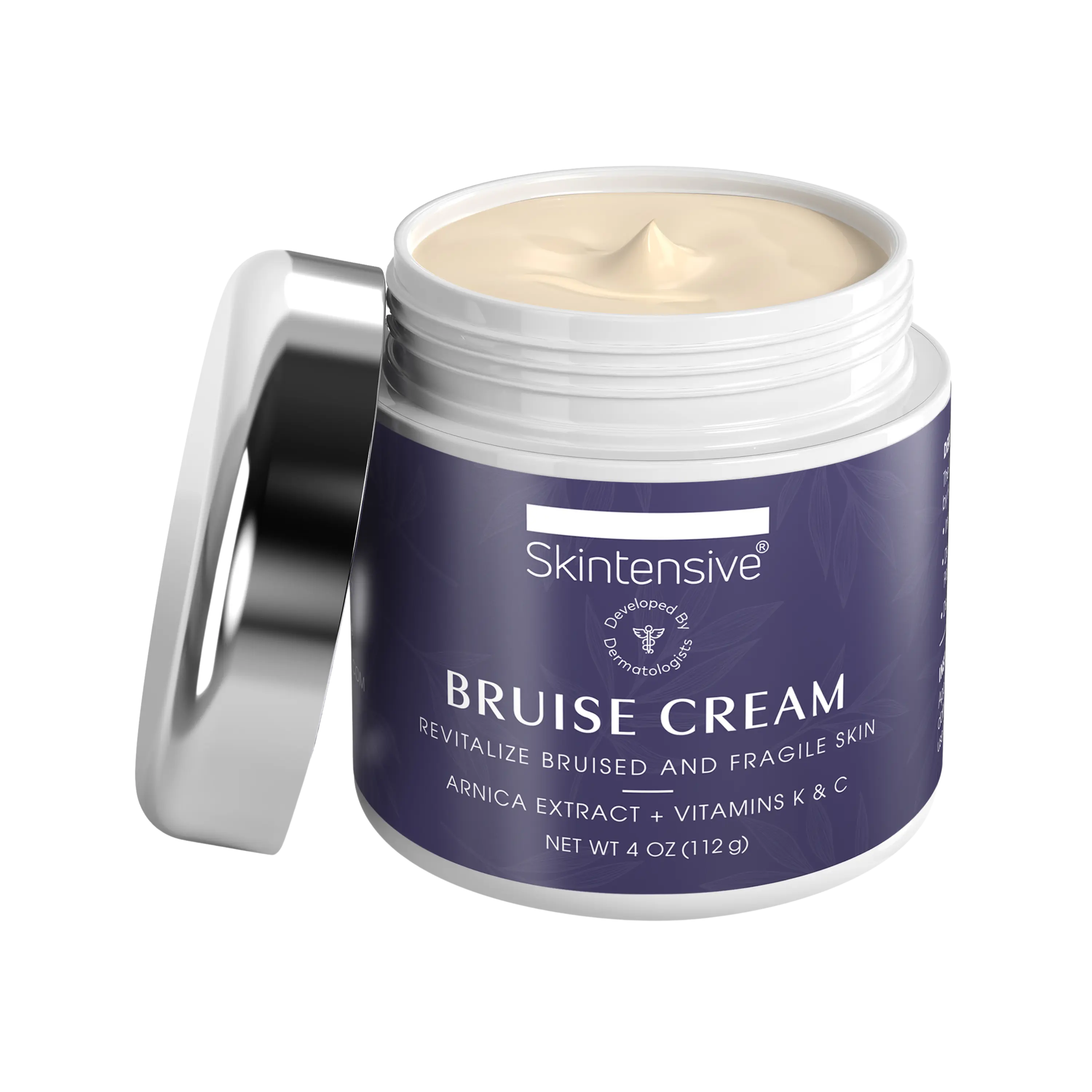
Skintensive Bruise Cream

A deeply moisturizing cream created by board-certified dermatologists and Skintensive co-founders for skin that looks fragile or easily marked. This rich formula features arnica montana, vitamin K, vitamin E, and vitamin C in a coconut oil base to help hydrate and support the look of more even-toned, healthy-looking skin.
Note: Product names reflect brand labeling. All descriptions above are written to focus on cosmetic, appearance-based benefits.
Interactive ingredient glossary
Search and tap terms for quick, cosmetic-friendly definitions. This is designed to help you compare formulas without overcomplicating your routine.
Arnica montana
A botanical extract commonly used in topical skincare formulas. In cosmetic context, it is often included to support the look of a calm, refreshed complexion and to help skin feel more comfortable.
Antioxidants (cosmetic context)
Ingredients frequently used to help defend skin against environmental stressors that can leave skin looking dull. In marketing, this is often tied to supporting radiance and a healthier-looking glow.
Vitamin C
A well-known ingredient in skincare routines focused on the look of brightness and more even-looking tone. Many people pair it with daily SPF and consistent moisturization for a smoother-looking finish.
Vitamin K (cosmetic positioning)
Often included in formulas positioned around the appearance of uneven tone and discoloration. Cosmetic language typically focuses on improving the look of skin tone and supporting a more even-looking finish.
Retinyl palmitate
A vitamin A derivative commonly used in cosmetic formulas. Marketing is often framed around smoothing the appearance of skin texture and supporting a refined look when used as directed.
Moisture barrier (cosmetic context)
A common way to describe skin that looks and feels comfortable and less dry. Cosmetic language typically focuses on supporting the skin’s moisture barrier and helping prevent dryness.
If a term is not listed, focus on the claim style: prefer “improves the look of” and “helps skin feel” phrasing rather than biological or medical language.
FAQ
Is “anti-aging” okay to say in skincare?
Yes, when it clearly refers to appearance. Safer phrasing ties it to visible outcomes like “reduces the appearance of fine lines” or “improves the look of radiance.”
Can arnica be used with vitamin C or exfoliating acids?
Many people include arnica-containing moisturizers alongside other actives, but comfort matters. Introduce new products slowly, patch test, and simplify your routine if skin looks stressed or feels tight.
What should I look for if my skin is easily marked or looks fragile?
Prioritize moisturization, gentle application, and formulas positioned to support the look of even tone and comfort. Consistent hydration can help skin look smoother and feel more resilient over time.
Where can I explore more Skintensive products?
Start here: Arnica Collection and Vitamin C Collection.
Build a calmer-looking routine
If you are refining your anti-aging routine, consider pairing actives with supportive moisturization for a smoother-looking, more even finish.